Thoughts
Thought Title
Thought summary
Thought Title
Thought summary
Thought Title
Thought summary
Thought Title
Thought summary
Thought Title
Thought summary
In the dynamic and evolving world of the creative industry, where chaos and innovation exist side by side, my 15-year journey has been as much about embracing neurodiversity as it has been about learning how to survive in an unforgiving sector. In my current role as Design Lead at We Are Fred, I reflect on how ADHD has become a creative asset, where previously viewed as an obstacle to overcome.
Leading the Norwich studio for We Are Fred presents its challenges, but having an ownership team that fosters a supportive and understanding environment – especially regarding mental disabilities – makes a significant difference. Now, it’s a tool that is feeding my creativity in an environment that celebrates unconventional thinking, different perspectives, and boundary-pushing ideas.
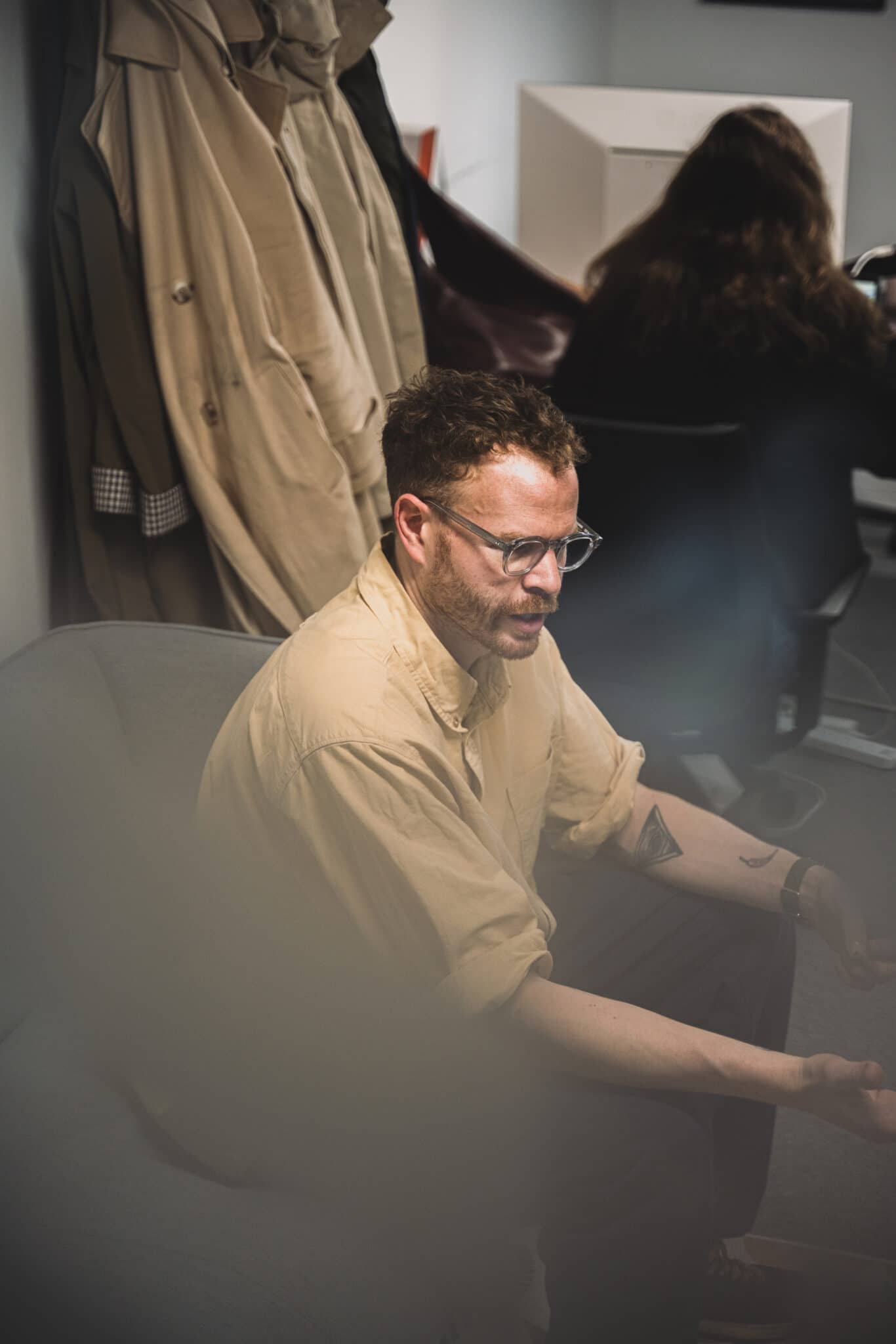
As a kid, my energy and creative mindset often put me at odds with the structure of typical academic environments. Like many neurodivergent kids, I thrived in creative subjects like art, music, and sports, where spontaneity is celebrated. But in more structured environments like science and maths, my brain struggled to keep up with expectations.
Creativity became my happy place, giving me the chance to excel in subjects that valued thinking outside the box. Without realising, these experiences prepared me for a future in the creative industry, where unconventional thinking and problem-solving are embraced.
After finishing my degree in Typographic Design at London College of Communication, I naively went headfirst into the creative industry. Typically working in corporate in-house design roles, onto exciting community space developments before finding myself in a bustling creative agency environment.
My brain was constantly buzzing around with new ideas, which thrived in fast-paced, creative environments but was useless with detail-oriented tasks. When I thought of a new idea, I produced work that was exciting. However, when distractions inevitably took over, deadlines became stressful, and important details were often overlooked.
It wasn’t until later that I recognised these challenges as symptoms of my undiagnosed ADHD. Neurodivergence is a powerful asset in the creative industry, as it challenges conventional ways of thinking and promotes unique perspectives. However, many of the attributes I thought of as negatives; impulsivity, hyper-focus, and constant idea generation, are exactly the traits that allowed me to innovate and push creative boundaries.
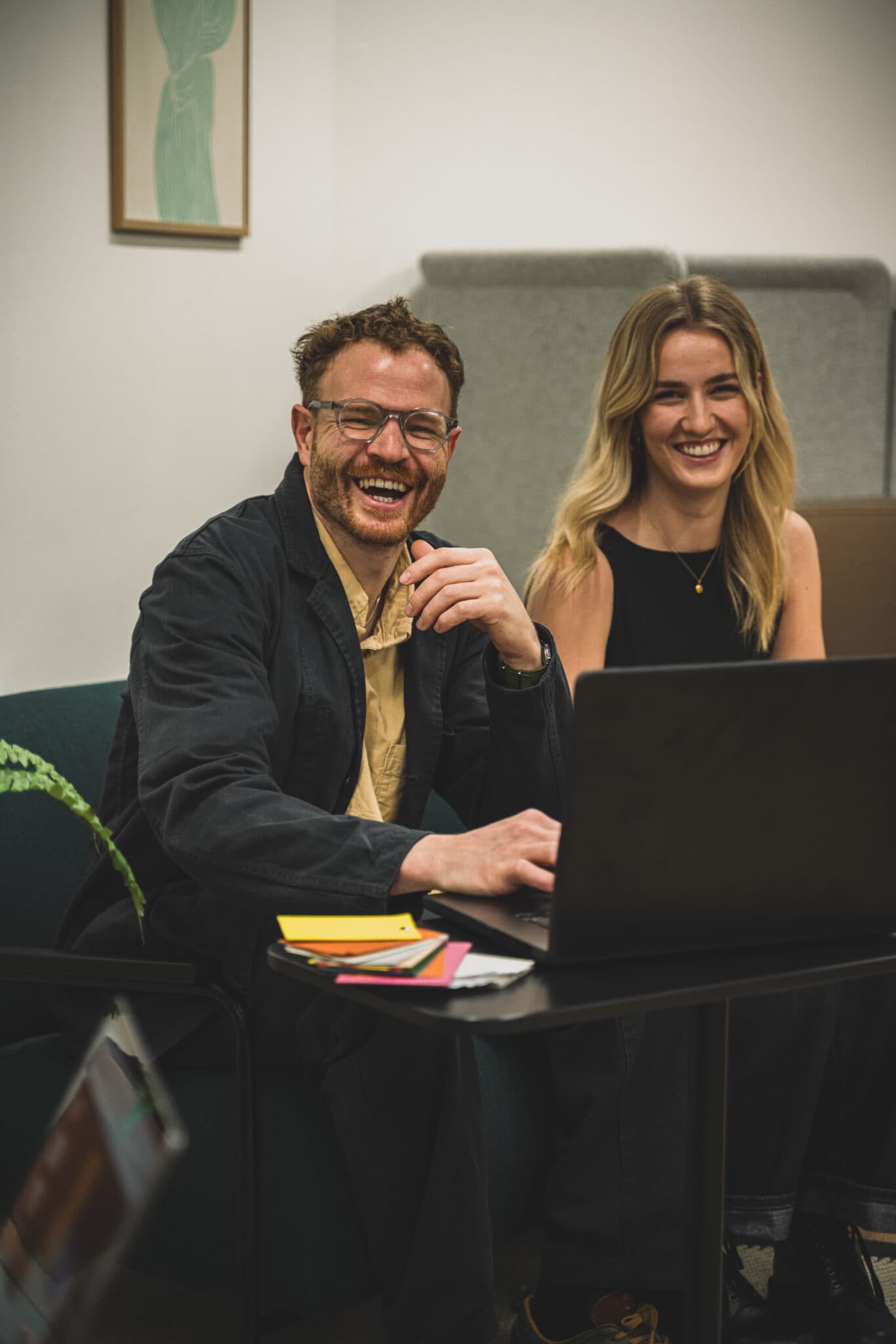
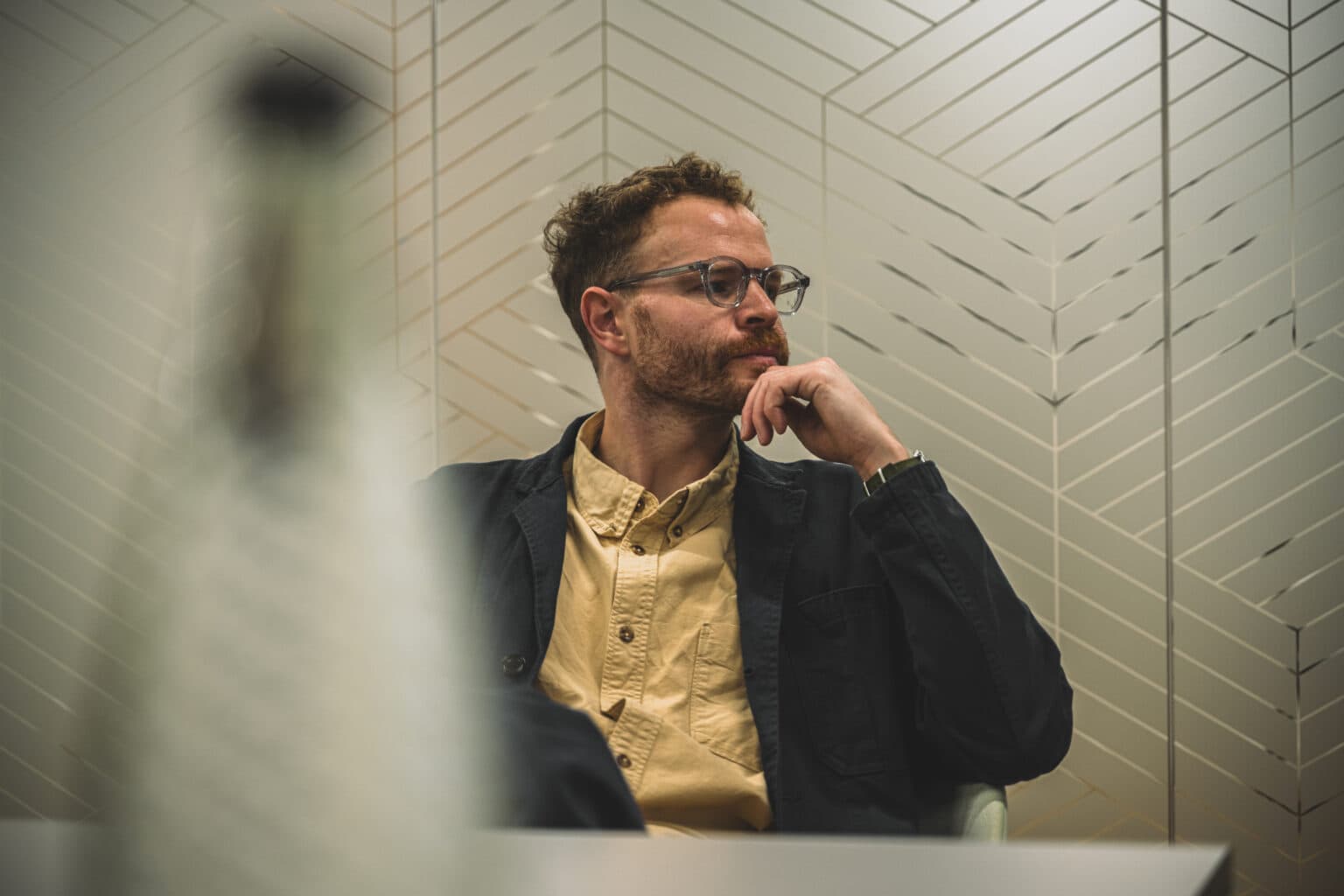
After finishing my degree in Typographic Design at London College of Communication, I naively went headfirst into the creative industry. Typically working in corporate in-house design roles, onto exciting community space developments before finding myself in a bustling creative agency environment.
My brain was constantly buzzing around with new ideas, which thrived in fast-paced, creative environments but was useless with detail-oriented tasks. When I thought of a new idea, I produced work that was exciting. However, when distractions inevitably took over, deadlines became stressful, and important details were often overlooked.
It wasn’t until later that I recognised these challenges as symptoms of my undiagnosed ADHD. Neurodivergence is a powerful asset in the creative industry, as it challenges conventional ways of thinking and promotes unique perspectives. However, many of the attributes I thought of as negatives; impulsivity, hyper-focus, and constant idea generation, are exactly the traits that allowed me to innovate and push creative boundaries.
In 2023, after many years of navigating personal and professional challenges, I finally decided to go for a diagnosis. Discovering I had ADHD was transformative. It explained many of my lifelong struggles but also exposed my neurodivergent brain as a hub of creativity. What I once saw as distractions, or negative personality traits, were in fact characteristics that allowed me to take creative risks and generate a multitude of ideas. Understanding this about myself allowed a welcomed approach to both my career and personal life that was different.
Embracing my neurodiversity has allowed me to thrive at We Are Fred, where creativity flourishes when diversity of thought and perspective is highly valued. The creative industry needs to actively establish environments that celebrate neurodiversity, and encourage inclusive strategies that unlock the full potential of neurodivergent creatives.
In my experience, harnessing neurodivergence in the creative world is all about finding strategies that highlight strengths while addressing challenges: